


Clearing debt in 2026: Practical, compassionate steps for UK households under pressure
 Credit Strategy, Shard Financial Media
As UK households face ongoing debt in 2026, gentle strategies like interest-free transfers, budgeting and support can ease pressure and restore stability.
Navigating Debt When Money Feels Tight
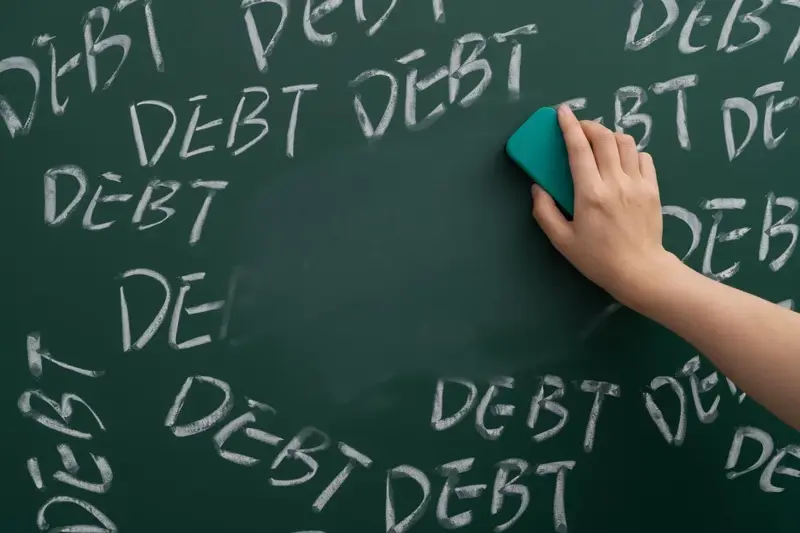
As many UK households move into 2026 carrying credit-card or overdraft balances, financial strain remains a reality. For people already feeling vulnerable, progress does not come from drastic measures, but from careful, manageable steps that reduce pressure while protecting wellbeing.
A mix of tactical borrowing, realistic budgeting and small savings habits can help households regain control and shorten the time spent in debt.
Balance-Transfer Cards: Buying Breathing Space
Balance-transfer credit cards can be a useful short-term option for people managing persistent card debt. These cards allow balances to be moved to a new deal with a promotional period where no interest is charged.
Many UK providers now offer interest-free periods lasting more than two years. While transfer fees usually apply, shifting debt from high interest to 0% can mean repayments reduce the balance itself rather than just servicing interest. The key is choosing a deal that fits your circumstances and planning to clear as much as possible before the offer ends.
When Multiple Debts Feel Overwhelming
For households juggling several credit cards or loans, consolidation can offer simplicity. A single loan can replace multiple repayments, making budgeting easier and, in some cases, lowering monthly outgoings.
However, consolidation is not always the cheapest option. Interest rates vary, and spreading debt over a longer term can increase the total amount repaid. Comparing costs carefully is essential, particularly for those already feeling financially stretched.
Focus on the Most Expensive Debt First
Whichever approach you take, a common principle applies: keep up minimum payments on all debts, but direct any extra money towards the borrowing with the highest interest rate.
This approach reduces the overall cost of debt over time and can provide a sense of progress, which is important for motivation during difficult periods.
Budgeting That Protects Wellbeing
Budgeting works best when it is kind as well as practical. Plans that leave no room for small pleasures are often unsustainable, especially when money worries already affect mental health.
Simple steps include spacing out free trials, reviewing subscriptions one at a time, and allowing modest treats so the budget feels realistic. Any rewards, refunds or switching bonuses can be used to build a small buffer, reducing reliance on credit when unexpected costs arise.
Small Boosts That Make a Difference
Low-effort ways of generating extra cash can support both debt repayment and savings. Switching current accounts, using cashback services or earning modest amounts through surveys can provide small but meaningful sums.
Ring-fencing this money for debts or emergencies, rather than everyday spending, helps strengthen financial resilience over time.
Seeking Help Is a Strength, Not a Failure
Debt can feel isolating, but free, independent advice is available across the UK. If repayments are becoming unmanageable, speaking to a trusted debt advice service can help people understand their options and reduce stress.
With the right support, careful choices and realistic expectations, even households under significant pressure can begin to move towards stability and a future free from unmanageable debt.
Read more in our Knowledge Hub.


Stay up-to-date with the latest articles from the Credit Strategy team
READ NEXT

The true cost of scaling

Roundtable Insights: Strategic priorities for lenders: Economic signals and sector predictions

Mortgage reform needs collaboration


member of


Get the latest industry news
Permission Statement

