


Dear visitor,
You're reading 1 of your 3 free news articles this quarter
Register with us for free to get unlimited news, dedicated newsletters, and access to 5 exclusive Premium articles designed to help you stay in the know.
Join the UK's leading credit and lending community in less than 60 seconds.
UK government urged to launch ‘social tariff’ to help vulnerable households
 Credit Strategy, Shard Financial Media
UK weighs energy “social tariff” as Resolution Foundation pushes £310–£520 bill cuts for low-income homes - who qualifies and what’s coming.
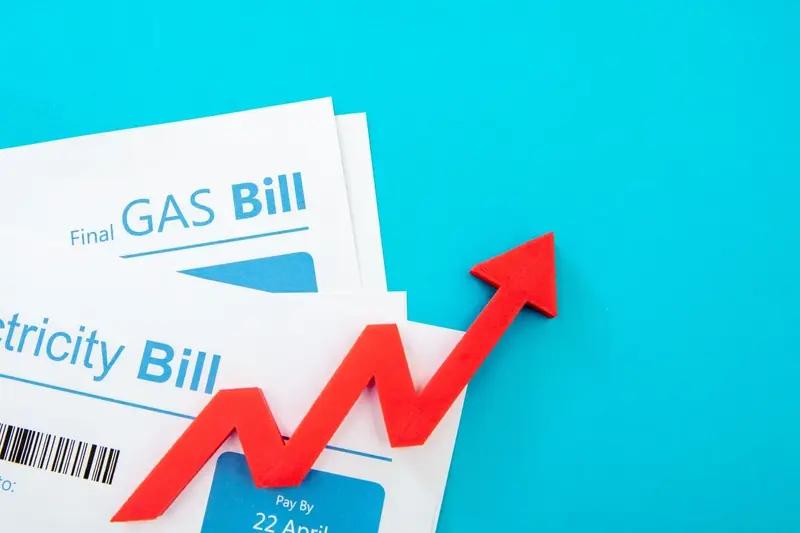
Shoppers and families are watching bills nervously as calls grow for a UK “social tariff” , a targeted discount on energy for low‑income households , after fresh pressure from thinktanks and rising global tensions. Here’s who would get help, how much it might be worth, and what ministers should consider before next winter.
Essential Takeaways
-
Targeted support: A social tariff could give poorer households an average saving of around £310 a year, rising to roughly £520 for high‑need families.
-
Cost and reach: The Resolution Foundation estimates the price tag at about £3.7bn to subsidise the poorest households.
-
Design matters: A means‑tested 21% cut on gas and electricity for households under about £38,000 (before housing costs) is the proposed model.
-
Better value than blanket help: Analysts warn that universal schemes like the 2022 price guarantee would be more wasteful and risk leaving vulnerable people behind.
-
Fallback options: If a tariff can’t be ready by winter, the thinktank suggests removing some policy costs or boosting universal credit, though both are imperfect.
Why ministers are being urged to build a social tariff now
The idea of a social tariff has resurfaced because global shocks , including recent tensions affecting oil and gas markets , could push household energy bills up again. The Resolution Foundation argues that a targeted discount would protect the poorest families at a fraction of the cost of universal measures. That matters because government borrowing is already under scrutiny and the chancellor wants value for money.
Designing a scheme now gives ministers time to avoid rushed fixes and learn from previous responses, such as the broad price guarantee of 2022. That one helped many households but was costly and blunt, whereas a social tariff aims to reach those most at risk without subsidising wealthier families.
How the proposed social tariff would work in practice
Under the model being discussed, households with incomes below a threshold , roughly £38,000 before housing costs , would get a discount on their gas and electricity bills, estimated at about 21%. For many low‑income households that would be a visible relief: the Resolution Foundation says the poorest tenth would get about £310, while a family with high energy needs could see around £520.
Practical hurdles remain. Implementing means‑tested support needs accurate, timely data on incomes and energy use, and the logistics of delivery must be sorted so help reaches people well before the cold months. The government has an advantage: preparatory work was done during the Russia‑Ukraine shock, so officials aren’t starting from scratch.
Why a blanket tax or levy cut isn’t the ideal alternative
Some MPs and parties are calling for wider tax cuts , for example, cutting fuel duty or removing VAT and green levies on energy. Those measures sound simple and popular, but evidence suggests they’re not well targeted. Analysis shows removing policy costs could actually give a larger cash boost to richer households, because higher earners tend to use more energy overall.
The thinktank’s view is blunt: broad cuts are expensive and inefficient. If the goal is to protect the vulnerable on a tight budget, targeted subsidies perform better. That’s an important point for any chancellor who’s balancing fairness with fiscal limits.
If a social tariff can’t be ready, what are the fallbacks?
The Resolution Foundation accepts there’s a risk a full tariff won’t be in place by next winter. As a backup, it suggests removing some policy costs from bills and increasing universal credit payments. Both would help, but the thinktank cautions they’re poorer substitutes , less precisely targeted and potentially still favouring higher‑use households.
For consumers, that means staying alert: fixed tariffs will insulate many households for a time, but if your contract is ending soon you should compare deals and consider energy efficiency measures now to reduce exposure.
Practical tips for households facing rising bills
Start by checking whether you’re on a fixed or variable tariff and note renewal dates. Use comparison sites to hunt for better deals, and claim any benefits or council support you’re entitled to. Simple home measures , draught‑proofing, smart thermostats, and LED bulbs , cut consumption and make any subsidy go further. If you’re worried about debt, contact your supplier early; many have hardship funds and payment plans.
Policy decisions will matter, but households can still act now to reduce the squeeze and be ready for whatever support is announced.
It’s a small shift in policy design that could make a big difference for those on the tightest budgets.
Join us for Credit Week 2026!

Stay up-to-date with the latest articles from the Credit Strategy team
READ NEXT

AI voice cloning scam fraud rises with new phone fraud tactics

Economic challenges as UK business confidence hits six-year low

Crafting AI Architecture You Can Actually Defend



member of


Get the latest industry news
Permission Statement

