


Dear visitor,
You're reading 1 of your 3 free news articles this quarter
Register with us for free to get unlimited news, dedicated newsletters, and access to 5 exclusive Premium articles designed to help you stay in the know.
Join the UK's leading credit and lending community in less than 60 seconds.
BNPL shake up: New July rules could block some shoppers
 Credit Strategy, Shard Financial Media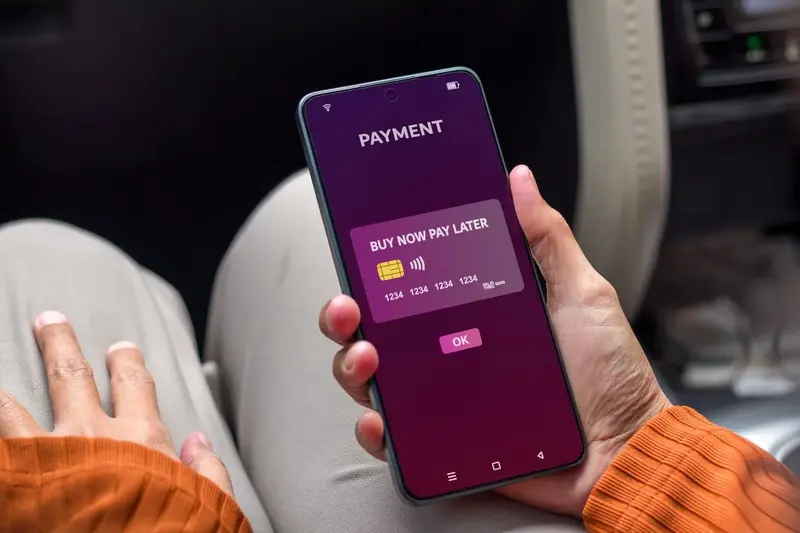
Watch the BNPL shake-up: new rules from July mean firms must check whether customers can afford repayments, a change that could bar many users and reshape how Brits buy on flexible credit. Here’s who’s affected, why it matters and simple steps to protect your finances.
Essential Takeaways
-
New affordability checks: Firms will need to verify customers can repay before offering BNPL, aiming to cut unmanageable debt.
-
Potential exclusions: Analysts estimate 10–30% of current BNPL users could lose access; some vulnerable but responsible users may be caught out.
-
Wider reach: The Financial Conduct Authority is bringing BNPL into its regulatory framework, with rules building on existing Consumer Duty standards.
-
Practical impact: Nearly half of those likely to be rejected haven’t missed a BNPL payment, so checks will be about income and outgoings, not just defaults.
-
What to do: Shop smart, check repayment schedules, consolidate balances, and seek help early if payments become hard to manage.
Why regulators are stepping in now
Regulators say BNPL has grown fast and sometimes too quietly, leaving shoppers exposed to rolling balances and multiple monthly commitments that add up. According to the Financial Conduct Authority, bringing BNPL into its remit lets firms follow common-sense affordability checks and offer support when things go wrong. The change aims to prevent small, manageable purchases becoming a tangle of debt with a cold, sinking feeling every time a statement arrives.
This isn’t sudden moralising; it follows a pattern of complaints and debt-advice cases where BNPL features heavily. Industry briefings from law firms and market reporting show policymakers want a predictable, safe market that still allows innovation. For shoppers, that should mean clearer terms, better redress and fewer nasty surprises.
Who could lose access , and why it’s not just about missed payments
Analysts and charities warn that a sizeable minority of current BNPL users will be rejected by the new checks. Estimates vary, but between one in ten and nearly a third of users could find providers saying no. Worryingly, many of those flagged as high risk haven’t missed payments; they fall foul of affordability filters because their income vs outgoings look tight on paper.
Campaigners say this could create a “cliff edge” that excludes people who use BNPL responsibly but have low or irregular incomes. Regulators counter that the intention is to protect those very people from spiralling obligations. The practical upshot is a push toward clearer, firmer lending decisions rather than informal, ad-hoc credit that ignores total household budgets.
How firms will do affordability checks , what to expect at checkout
Expect a little more friction at checkout from July. Firms will need to gather information about your finances, income, essential bills, and existing debts, to judge if you can afford repayments. That might mean a quick online questionnaire, a soft search of credit data, or asking for proof of income in more complex cases.
The FCA’s approach leans on existing Consumer Duty rules, so firms won’t suddenly invent reams of paperwork for every small purchase. But if you regularly use multiple BNPL providers, or your income fluctuates, you may face refusals or lower credit limits. Think of it as a safety filter rather than a punishment; the goal is to stop overcommitment before it becomes a problem.
Practical tips: how to prepare and stay in control
If you’re a regular BNPL user, do a quick audit. List active plans, payment dates and monthly totals, seeing the full picture helps avoid overlaps that bite. Prioritise paying high-cost or overlapping instalments, and consider consolidating small BNPL balances into a single low-interest option if that reduces the number of due dates.
When shopping, read the repayment schedule before ticking accept. If a firm asks for more income detail, supply it promptly, being transparent helps. And if you get declined, ask why; some refusals can be appealed or altered with a small change in repayment cadence.
What retailers and the market will feel
Retailers and fintechs will likely tweak offers and UX to keep conversions healthy while complying with checks. Some will set higher minimum purchase amounts, extend interest-free windows for loyal customers, or steer shoppers to alternative financing. Industry briefings suggest firms will race to make affordability checks as painless as possible, because a clunky experience costs sales.
For shoppers, this could mean smarter product pages and clearer choices, but also fewer impulse-friendly BNPL buttons. That’s probably a fair trade if it means fewer people wake up to a ballot of simultaneous payments they can’t afford.
It’s a small change that can make every purchase safer , and your wallet will notice the difference.
Join us for Credit Week 2026!

Stay up-to-date with the latest articles from the Credit Strategy team
READ NEXT

Bank warns on slower growth

How AI is fighting fintech fraud

UK CEOs adapt investment strategies in response to geopolitical and trade policy shifts


member of


Get the latest industry news
Permission Statement

