


Dear visitor,
You're reading 1 of your 3 free news articles this quarter
Register with us for free to get unlimited news, dedicated newsletters, and access to 5 exclusive Premium articles designed to help you stay in the know.
Join the UK's leading credit and lending community in less than 60 seconds.
'Cruel’ friendship fraudsters target older people
 Credit Strategy, Shard Financial Media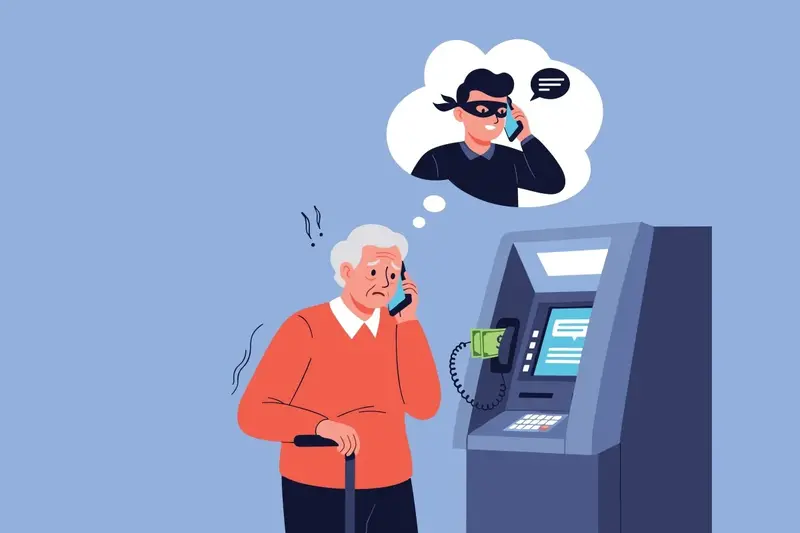
Shoppers and families are waking up to a cruel trend: scammers posing as friends online to steal life savings. TSB and charity groups warn older people across the UK are being groomed on social media and message boards, so it’s vital to know the red flags and simple steps to protect someone you love.
Essential Takeaways
-
Scale of harm: Friendship fraud often drains substantial sums , average impersonation losses are over £3,100, with some victims making repeated payments.
-
How it works: Scammers befriend targets, build trust, then ask for money for an emergency or to escape a dangerous situation.
-
Common signs: Rapid escalation of affection, excuses to avoid video calls, requests for gift cards or repeated small transfers.
-
Practical steps: Check stories with a trusted person, refuse money requests, contact your bank immediately if you suspect fraud.
-
Support exists: Report to Action Fraud, seek help from Age UK, Mind or Victim Support for practical and emotional support.
Why friendship scams feel so convincing and personal
These cons are emotionally sharp , the scammer’s voice is calm and kind, and that warmth itself becomes the lure. TSB highlights cases where lonely people in their 60s and 70s were befriended online over years, sending dozens of payments until contact stopped and the truth emerged. You sense companionship, their messages feel familiar, and that familiarity lowers your defences.
Historically, fraudsters targeted greed or fear; these days they target loneliness. The stories are engineered to be plausible and emotive , a sick relative, an abusive home, urgent medical bills , and they’re designed to make you act fast. That psychological pressure is the fraud: it’s about connection, not cash alone.
How tech and AI make fake friendships harder to judge
Scammers now use AI to generate convincing profile photos and messages, so a slick-looking account isn’t proof of authenticity. According to industry reporting, the rise of AI-produced images means even careful people can be duped by a profile that looks "real" at first glance. Video calls and voice checks used to be a safeguard; increasingly, even those can be spoofed or avoided with excuses.
So treat online introductions the way you’d treat strangers at the door: polite, curious, but cautious. If someone resists meeting or video-calling, that’s a red flag , genuine friends usually accept a simple face-to-face or video chat eventually.
Practical ways families can intervene without causing offence
Start gentle: ask about the new friend with curiosity rather than accusation, and suggest checking the person’s story together. TSB’s fraud expert recommends getting impartial advice from someone close by who can spot inconsistencies the target might miss. That approach keeps the conversation supportive and reduces embarrassment, which often delays reporting.
Practical actions include setting alerts with the bank, encouraging the use of trusted payment methods, and agreeing that any request for money must be checked with a family member first. If someone has cognitive decline or lives alone, regular check-ins are a practical safeguard that also combats loneliness , the very vulnerability scammers exploit.
What to do if you or a loved one has been targeted
If money has already gone, contact the bank immediately , speed matters for potentially reversing payments. Report the incident to Action Fraud and, if necessary, the police. Which? and Age UK both stress the emotional toll fraud can take, so it’s also sensible to reach out to support services such as Mind or Victim Support for emotional help and to manage wellbeing after the event.
Keep records of conversations and transactions; screenshots and dates help banks and police investigate. And remember: shame is what fraudsters count on. Speak up early and involve the bank even if you fear being wrong.
How to choose safer ways to make friends online
Online communities can be brilliant for companionship, but use a safety-first checklist: verify profiles, favour platforms with moderation, never send money or gift cards to someone you haven’t met, and resist pressure to keep conversations secret. If someone asks for repeated small payments, that pattern is worth questioning , it’s often how large losses build up unnoticed.
For those seeking connections, consider local clubs, sheltered housing activities, or community groups recommended by Age UK, where introductions are in-person and supervised. Combining online interest groups with local meet-ups reduces isolation and the risk of being groomed by someone with bad intent.
It’s a small change in habits that can make every new friendship safer.
Join us for Credit Week 2026!


Stay up-to-date with the latest articles from the Credit Strategy team
READ NEXT
AI voice cloning scam fraud rises with new phone fraud tactics
Economic challenges as UK business confidence hits six-year low

Crafting AI Architecture You Can Actually Defend



member of


Get the latest industry news
Permission Statement

