


GDP is flat and inflation stuck as markets bet on a March rate cut. What a Bank move could mean for mortgages, savings and household finances.
Dear visitor,
You're reading 1 of your 3 free news articles this quarter
Register with us for free to get unlimited news, dedicated newsletters, and access to 5 exclusive Premium articles designed to help you stay in the know.
Join the UK's leading credit and lending community in less than 60 seconds.
Rate cut pressure builds at the Bank of England as growth stalls
16 Mar 2026 Credit Strategy, Shard Financial Media
Credit Strategy, Shard Financial Media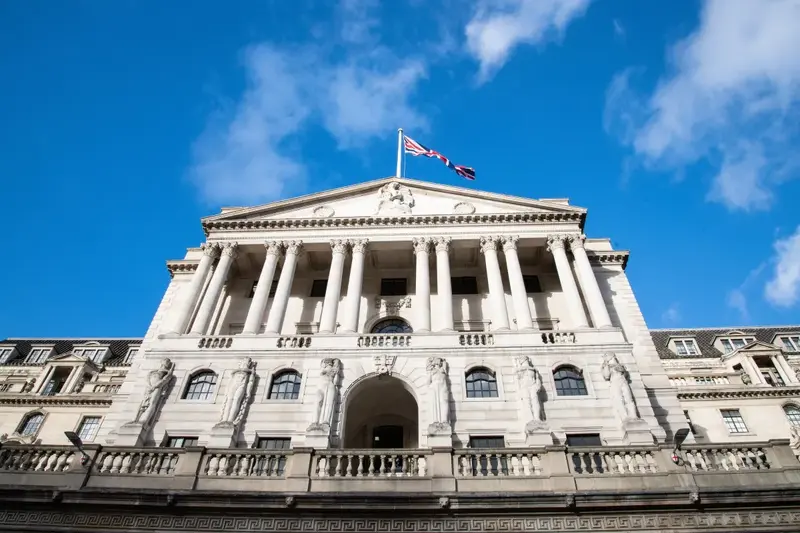
Shoppers and savers are watching closely as growth stalls: GDP barely ticked up, inflation stays stubborn, and the Bank of England is under fresh pressure to cut interest rates next month , a move that would matter for mortgages, savings and the wider economy.
Essential Takeaways
-
Stagnant growth: UK GDP rose just 0.1% in the final quarter, signalling the economy has broadly stalled.
-
Split decision: The Monetary Policy Committee is narrowly divided, with a 5-4 vote recently to keep rates on hold at 3.75%.
-
Rate-cut talk: Deputy Governor Sarah Breeden has said a cut “over the next couple of meetings” would be reasonable, and markets put a better-than-even chance on a March reduction.
-
Inflation tension: Headline inflation at 3.4% remains high compared with peers, keeping hawks nervous about loosening policy.
-
Household impact: A rate cut could ease mortgage costs and bolster spending, but timing matters given rising unemployment risks.
What the numbers tell us: growth is tepid, not booming
The Office for National Statistics’ latest data show GDP growth barely crawling, with only a 0.1% rise in the last quarter. That’s the kind of figure that feels flat to households , shops are quieter, firms are cautious, and the overall mood is muted. Economists will point out that weak quarters like this raise the chance the Bank needs to pivot from tightening to support.
A divided committee: why monks and hawks can’t agree
The Monetary Policy Committee voted 5-4 to hold rates at 3.75% last time, which tells you how finely balanced the judgement is. Some members worry that cutting too soon will let inflation re-accelerate, while others want to inject some relief to prevent a deeper slowdown. Deputy Governor Sarah Breeden sits among those ready to ease, suggesting it’s appropriate to “take our foot off the brake a little” , language that’s gentle but significant in central-bank terms.
Markets are positioning for a cut , what that means for you
Traders now put a roughly 60% chance on a March cut to 3.5%, which affects everything from mortgage pricing to bank savings rates. If the Bank does move, borrowers with variable or tracker mortgages could see payments fall, while savers might get yet another reminder that headline rates don’t always protect real returns. For people weighing remortgaging or fixed-rate deals, the immediate lesson is to shop around and ask about early repayment penalties.
Inflation keeps the hawks awake at night
At 3.4%, UK inflation is still relatively high among advanced economies, and that’s the hawks’ core worry. They argue that cutting while inflation remains elevated risks undoing progress and forcing larger hikes later. But doves counter that stubborn inflation and stagnant growth together mean the economy could tip into weaker territory, especially if unemployment starts to rise. It’s a classic central-bank bind: balance short-term support against long-term price stability.
How policymakers and markets might play it out
Expect a cautious, data-dependent approach. The Bank will watch incoming jobs and wage data, retail spending and whether inflation keeps easing. If jobs weaken and pay growth cools, the needle tilts toward a March cut. But any uptick in prices, or signs people are still spending strongly, could keep the MPC hesitant. For ordinary readers, that means uncertainty is likely to linger for a while , and small financial decisions, like locking in a mortgage rate, are worth revisiting as new data arrive.
It’s a small change that can make a big difference to household finances , keep an eye on the Bank’s next moves.
Join us for Credit Week 2026!


Stay up-to-date with the latest articles from the Credit Strategy team
READ NEXT

Premium Member Roundtable: Build vs buy? Strategic technology decisions that define resilience and growth 
Knowledge Hub26 May 2026Abbie Goodman

Inside the Car Finance Awards 2026: Celebrating excellence
Knowledge Hub21 May 2026Lukas Montgomery

The evolving role of value-added products in Car Finance
Knowledge Hub20 May 2026Kitty Wood


member of


Get the latest industry news
Permission Statement

We would like to ask for your permission to process your data so we can send you information on any CS events as well as any related special offers and promotions.
If you accept, we will process your data to fulfill this purpose.
Accept
Cancel
