


Dear visitor,
You're reading 1 of your 3 free news articles this quarter
Register with us for free to get unlimited news, dedicated newsletters, and access to 5 exclusive Premium articles designed to help you stay in the know.
Join the UK's leading credit and lending community in less than 60 seconds.
Bank of England holds interest rates at 3.75% amid global conflict and inflation risks
 Credit Strategy, Shard Financial Media
Rates hold at 3.75% as inflation risks rise - firms urged to protect cashflow, manage FX exposure and rethink borrowing in uncertain months ahead.
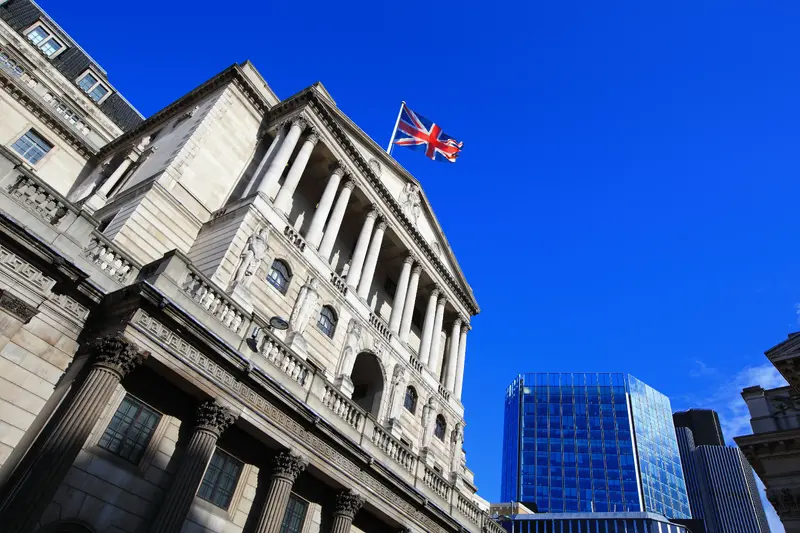
Shoppers and small firms are watching closely as the Bank of England held the base rate at 3.75%, offering short-term certainty but flagging a rocky road ahead; industry voices warn businesses to shore up cashflows, manage currency risk and rethink borrowing as energy-driven inflation clouds the outlook.
Essential Takeaways
-
Rate decision: The MPC voted unanimously to hold Bank Rate at 3.75%, citing uncertainty from the Middle East conflict.
-
Inflation risk: The Bank sees inflation possibly rising toward 3.5% later this year because of higher energy costs and disrupted trade routes.
-
Business impact: Firms report tougher payment behaviour and rising late invoices, making liquidity protection essential.
-
Savers and mortgages: Savers still get decent returns but easy-access rates may slip; some mortgage deals have been pulled or repriced.
-
Practical actions: Lock FX where possible, review borrowing plans, and use ISAs or one‑year bonds to protect spare cash.
Why the Bank hit pause, and what that feels like for firms
The Monetary Policy Committee opted for a unanimous pause, choosing breathing space over another immediate move. You can almost feel the tension: oil and gas prices have jumped since the outbreak of conflict in the Middle East, and that energy shock is the immediate worry. According to industry commentators, that spike has weakened sterling and pushed up costs for firms that trade internationally, squeezing margins and complicating pricing decisions.
The pause is a deliberately cautious “wait-and-see” rhythm from the Bank, rather than a loosening. For businesses that were banking on cuts to ease borrowing costs, it’s a reminder that external shocks can rewrite the script overnight. Practically, this means firms should treat current borrowing assumptions as provisional and avoid committing to growth plans that hinge on immediate rate relief.
Cash is king, how businesses are seeing payments and receivables change
Payment behaviour is shifting, with claim volumes and late invoices rising noticeably. Firms are increasingly focused on liquidity and receivables protection as early warning signs of wider trouble. Industry leaders recommend strengthening supply chains, tightening credit control and stress-testing cashflows now rather than later.
That’s concrete: chase overdue invoices faster, consider invoice protection or factoring, and build a short-term cash buffer. Businesses that act early on these fronts generally sleep better when markets wobble.
FX volatility and margins , why a proactive currency strategy matters
Exporters and importers are feeling currency pain as sterling weakened alongside energy-driven market moves. For companies with international exposure, locking in FX rates or hedging near-term receipts and payables can prevent a margin squeeze that’s otherwise hard to unwind. Firms that waited out previous shocks have learned the lesson: a reactive stance is costly.
If you trade overseas, get quotes for forward contracts, consult your bank or specialist providers, and prioritise hedging for material flows. It’s not glamourous work, but it’s the practical insurance that keeps margins intact.
Borrowing, mortgages and saver choices , small wins you can make now
Mortgage applicants and remortgagers have already seen products pulled or repriced, and brokers report a surge of clients trying to lock deals. For businesses and households, the message is clear: think short-term certainty. Fixing a rate can be sensible if you need budget stability, while savers should hunt for the best easy-access or one-year bond rates to keep cash working.
On a household level, making the most of ISA allowances and reviewing accounts regularly still matters. For SMEs, talk to lenders about flexible facilities rather than big, irreversible commitments , options like overdrafts or short-term loans can be useful when the direction of rates is unclear.
What policymakers and firms should watch next
The next moves from the Bank will largely depend on how long energy price pressures persist and whether inflation expectations climb. Economists suggest that while policymakers might be inclined to cut rates later, that outcome is now less certain and timing is more elastic. If the conflict eases quickly, cuts could reappear in the forecast; if not, holds or even rises remain possible.
For business owners, the sensible play is to focus on controllables: manage liquidity, lock in critical costs where possible, and keep advisers close. That combination buys you flexibility whatever the MPC decides next.
It’s a small shift in behaviour that can make the difference between scrambling and staying steady.
Join us for Credit Week 2026!


Stay up-to-date with the latest articles from the Credit Strategy team
READ NEXT

Confidence plunges to lowest since mid-2023 amid global tensions and economic strain

FCA proposes clearer UK crypto regulations
In conversation with... Lindsay Gustafsson


member of


Get the latest industry news
Permission Statement

