


Dear visitor,
You're reading 1 of your 3 free news articles this quarter
Register with us for free to get unlimited news, dedicated newsletters, and access to 5 exclusive Premium articles designed to help you stay in the know.
Join the UK's leading credit and lending community in less than 60 seconds.
Bank of England expected to hold interest rate at 3.75%
 Credit Strategy, Shard Financial Media
All eyes on the Bank of England this Thursday. Rates are set to hold at 3.75%, shaping mortgages, inflation hopes and what comes next.
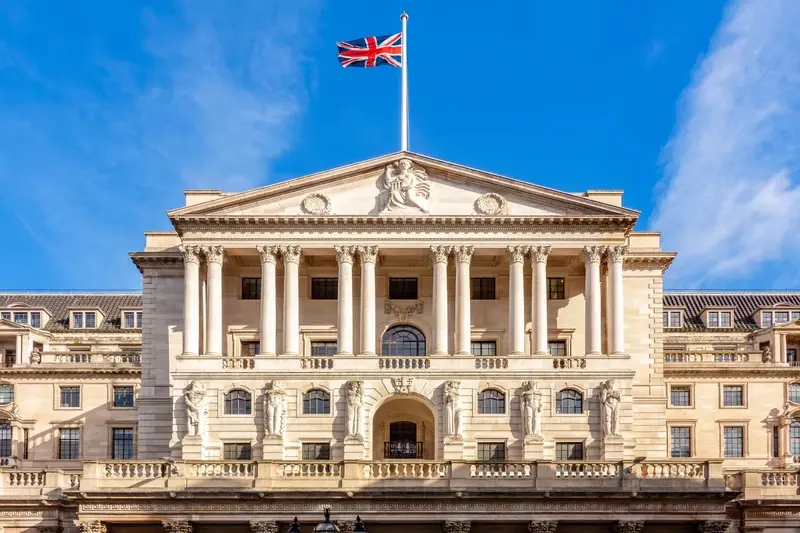
Watch closely this Thursday as the Bank of England is widely expected to hold the base rate at 3.75%, a choice that matters to homeowners, mortgage shoppers and anyone watching UK inflation, with recent data and political noise making further cuts less certain.
Essential Takeaways
-
Rate likely to stay: Economists broadly expect the Bank to keep the Bank Rate at 3.75%, reversing the idea of back-to-back cuts.
-
Inflation is nudging up: Recent figures showed inflation rising to 3.4%, putting pressure on the Bank to be cautious.
-
Mortgage markets tingle: A hold means variable-rate borrowers see limited relief, while fixed-rate deals remain in focus.
-
Political risks matter: By-elections and local polls could feed market jitteriness and influence the Bank’s next calls.
-
Watch March: Another policy decision is scheduled for 19 March, so this pause may be temporary rather than permanent.
Why markets think the Bank will stand pat this week
The clearest signal is the recent uptick in inflation, which rose to 3.4% in the latest government update, nudging it further from the 2% target and reducing room for policymakers to ease off. Reuters’ poll of economists shows almost unanimous expectations that the Bank will hold rates, and that consensus matters , markets price in collective thinking and the BoE rarely surprises when the crowd is aligned.
For borrowers that means any hopes of immediate lower mortgage payments are muted. If you’re on a tracker deal you might be bracing for more months of the same, so this week’s announcement is a reminder to check whether a fixed-rate refinance makes financial sense.
What happened in December , and why that matters now
The Bank did cut rates by 0.25 percentage points in December, a move that surprised some because it was narrowly decided by the Monetary Policy Committee and required votes such as the Governor’s to tip the balance. That close call showed the committee is divided and cautious, and with inflation edging up since then, the arguments for another cut have weakened.
If you remember December’s cut as a turning point, treat this week’s likely pause as the committee taking stock rather than returning to a steady easing path. For many advisers, the message is: plan for volatility and avoid assuming cuts will arrive on a fixed timetable.
How politics could muddle the picture for borrowers and savers
Property consultancies are flagging political risk as an important wildcard. Knight Frank and others note that by-elections and the local polls coming up could unsettle markets. A poor result for the governing party can rattle confidence, push down sterling and complicate the BoE’s calculus on inflation and growth.
That’s practical news for anyone with a mortgage application underway: lenders might react to market swings by tightening or repricing products quickly, so stay in contact with brokers and get paperwork ready if you’re hunting a deal.
Choosing the right mortgage stance while uncertainty lingers
If you’re worried about rising costs, fixing now can lock out short-term rate moves; if you value flexibility and expect cuts later in the year, a tracker or variable deal might appeal. Industry commentators suggest sizing choices to your budget buffer , a comfortable emergency fund makes variable rates less scary, while those with tight margins should prioritise certainty.
Also weigh term lengths: shorter fixes give quicker re-entry points if rates fall, but longer fixes buy peace of mind at the cost of sometimes higher rates. Speak to a mortgage adviser who can model scenarios based on your specific situation.
What to watch next , clues between now and March
Keep an eye on incoming inflation prints, labour market data, and any market reaction around the by-election results. The next BoE decision on 19 March will be the first real chance for the committee to shift from a hold, so traders and borrowers will be watching every data release for hints.
In short, think of this week as a pause rather than an ending , it tells you the Bank wants more evidence before committing to a new direction.
It’s a small change that makes planning ahead more important than ever.
Join us for Credit Week 2026!

Stay up-to-date with the latest articles from the Credit Strategy team
READ NEXT

UK cost of living crisis deepens

Third party risk management becomes strategic priority

Confidence vs competence: the AI trust gap



member of


Get the latest industry news
Permission Statement

