


Dear visitor,
You're reading 1 of your 3 free news articles this quarter
Register with us for free to get unlimited news, dedicated newsletters, and access to 5 exclusive Premium articles designed to help you stay in the know.
Join the UK's leading credit and lending community in less than 60 seconds.
Bank of England cut interest rates to 4%
 Meg Lyons
Bank of England cuts interest rates to 4% in a historic, tightly split vote, aiming to boost a struggling UK economy amid ongoing uncertainty.
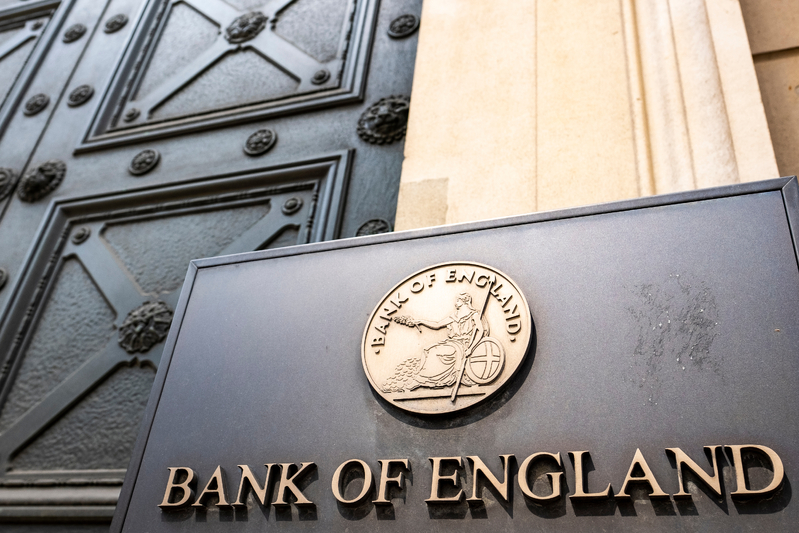
The Bank of England has cut its key interest rate by 0.25 percentage points, from 4.25% to 4.00%, bringing borrowing costs to their lowest level since March 2023. This marks the fifth cut in a year, as the central bank continues trying to support a weak UK Economy
Historic Vote Signals Deep Division
The decision was passed through an unprecedented two-round vote, the first in the Bank’s 25-year history of independence. The Monetary Policy Committee (MPC) initially split 4–4, with one member advocating for a larger 0.5 percentage point cut. In a second round of voting, the vote swung 5-4 in favour of the 0.25 percentage point cut.
Commenting on the move, Andrew Bailey, Governor of the Bank of England, said:
“We’ve cut interest rates today, but it was a finely balanced decision. Interest rates are still on a downward path, but any future rate cuts will need to be made gradually and carefully.”
This latest rate cut comes after a stagnant GDP growth, rising unemployment and inflation projected to reach 4% by September – largely driven by energy and food costs.
Positive Signal for UK SMEs
Many in the lending and finance sector see the decision as a much-needed boost for small and medium-sized enterprises (SMEs).
Mike Randall, CEO at Simply Asset Finance, said:
“Business leaders will undoubtedly be feeling more room to breathe – easing borrowing costs for those eager to invest in their growth this year.”
Kai Hunter, Non-Executive Director at Love Finance, added:
“The Bank of England cutting rates to 4.0% is a real boost for UK SMEs. After a tough couple of years with rising costs and cautious spending, this gives businesses some much-needed breathing space – a chance to plan, invest, and move forward with a bit more confidence.”
Warning Signs Still Loom
While the cut offers some relief, underlying challenges persist. Douglas Grant, Group CEO of Manx Financial Group, highlighted the precarious position of many small businesses:
“Recent research from Manx Financial Group shows that nearly a third of UK SMEs have had to pause or shut down parts of their operations due to a lack of finance over the past two years. Meanwhile, 38% expect no growth in the year ahead, up from 25% in 2024, highlighting the urgent need for a more stable and inclusive lending environment.”
Grant warned that interest rate cuts alone are not enough to restore confidence, citing the effects of the cost-of-living crisis, geopolitical instability, and a flat economic outlook.
Investor Outlook: A Delicate Balance
Rob Morgan, Chief Investment Analyst at Charles Stanley, noted the complexity of the Bank’s position:
“Today’s cut seems sensible to help kickstart the economy, but any further cuts are going to be uncomfortable amid a still-inflationary landscape and an uncertain outlook through to 2026.”
He added:
“As the three-way split on the voting committee shows, the competing forces of economic deterioration and sticky price rises obscure a clear view of the path.”
It seems there is still a risk of stagnation, especially given the volatility of the global economy. Policymakers are walking a tightrope between stimulating growth and controlling inflation. While the rate cut is a step in the right direction and lenders are optimistic about its potential impact on SMEs and business investment, it remains just one piece of a much larger puzzle.
For more economic insights, head to Credit Strategy’s Knowledge Hub


Stay up-to-date with the latest articles from the Credit Strategy team
READ NEXT

How AI is reshaping risk, fraud and compliance in the UK

Climate risk becomes financial risk for the UK

Older workers face higher risk of long term exclusion



member of


Get the latest industry news
Permission Statement

